Currencies of the world: shared money, families and the odd ones out
AM Ismail - AtlasGenie Team · Published
Most countries print their own money, but not all of them. Some share one currency with their neighbours, some officially use another country's alongside their own, and a surprising number give their money the same name. Here's how to keep them straight, using only the currencies in AtlasGenie's Currencies quiz.
The big shared currencies
The euro is the most widely shared currency in the quiz: 25 countries use it. Most are members of the euro area, from Portugal and Ireland to Finland, Greece and Cyprus. A few small European states use it too: Andorra, Monaco, San Marino and Vatican City, as well as Montenegro.
The two CFA francs are easy to mix up because they share a name. The West African CFA franc is used by eight countries: Benin, Burkina Faso, Côte d'Ivoire, Guinea-Bissau, Mali, Niger, Senegal and Togo. The Central African CFA franc is used by six: Cameroon, the Central African Republic, Chad, Equatorial Guinea, Gabon and the Republic of the Congo. They're separate currencies, so knowing which half of the continent a country sits in tells you which franc it uses.
The Eastern Caribbean dollar is shared by six island nations: Antigua and Barbuda, Dominica, Grenada, Saint Kitts and Nevis, Saint Lucia, and Saint Vincent and the Grenadines.
Other currencies travel too. The US dollar is the official currency of ten countries in the quiz, including Ecuador, El Salvador, Panama, Timor-Leste and several Pacific nations. The Australian dollar is used by Australia, Kiribati, Nauru and Tuvalu, and the South African rand by South Africa, Eswatini, Lesotho and Namibia.
Because these currencies belong to more than one country, the quiz never asks "Which country uses the euro?". There would be more than one right answer. You'll only meet them the other way round: "What is the currency of France?"
Currency families
Many currencies share a family name, and that's where Expert mode sets its traps.
- Dollars: around twenty, from the Canadian and Jamaican dollars to the Brunei, Fijian and Solomon Islands dollars. Look at the region first. Most Caribbean and Pacific islands with a dollar have their own.
- Pesos: nine, almost all in Latin America (Argentina, Chile, Colombia, Cuba, the Dominican Republic, Mexico and Uruguay), plus the Philippines. Cuba has two of them.
- Francs: nine, counting both CFA francs. Outside the CFA zones you'll find the Burundian, Comorian, Congolese, Djiboutian, Guinean and Rwandan francs, and in Europe the Swiss franc.
- Dinars: eight, stretching from Serbia across North Africa (Algeria, Libya, Tunisia) to Iraq, Jordan, Kuwait and Bahrain.
- Rupees: six, around South Asia and the Indian Ocean: India, Nepal, Pakistan, Sri Lanka, Mauritius and the Seychelles.
- Pounds: six, including the British pound and the Egyptian, Lebanese, Syrian, Sudanese and South Sudanese pounds.
- Shillings: four, all in East Africa: Kenya, Somalia, Tanzania and Uganda.
A good habit is to pair the family with the region. If a dinar question is set in Europe, it's Serbia. If a shilling is in the options, think East Africa.
Countries with two currencies
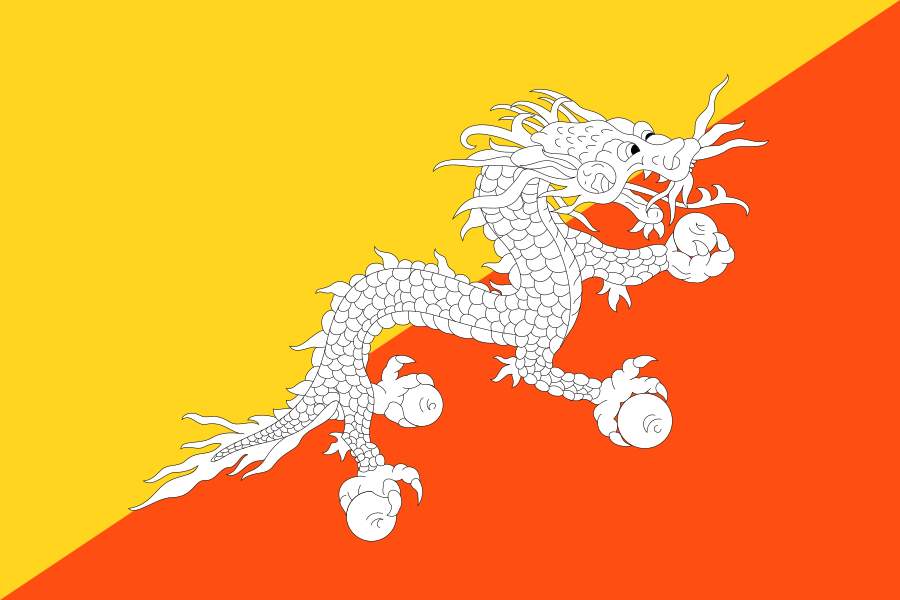
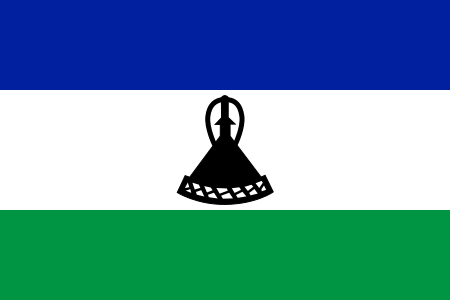
Some countries officially use two currencies. Panama has its own balboa alongside the US dollar. Bhutan has the ngultrum and also uses the Indian rupee. Lesotho, Eswatini and Namibia each have their own currency (the loti, the lilangeni and the Namibian dollar) and also use the South African rand. In the quiz, a country's other currency is never offered as a wrong answer, so you can't be caught out by a currency that's also correct.
Four memorable ones
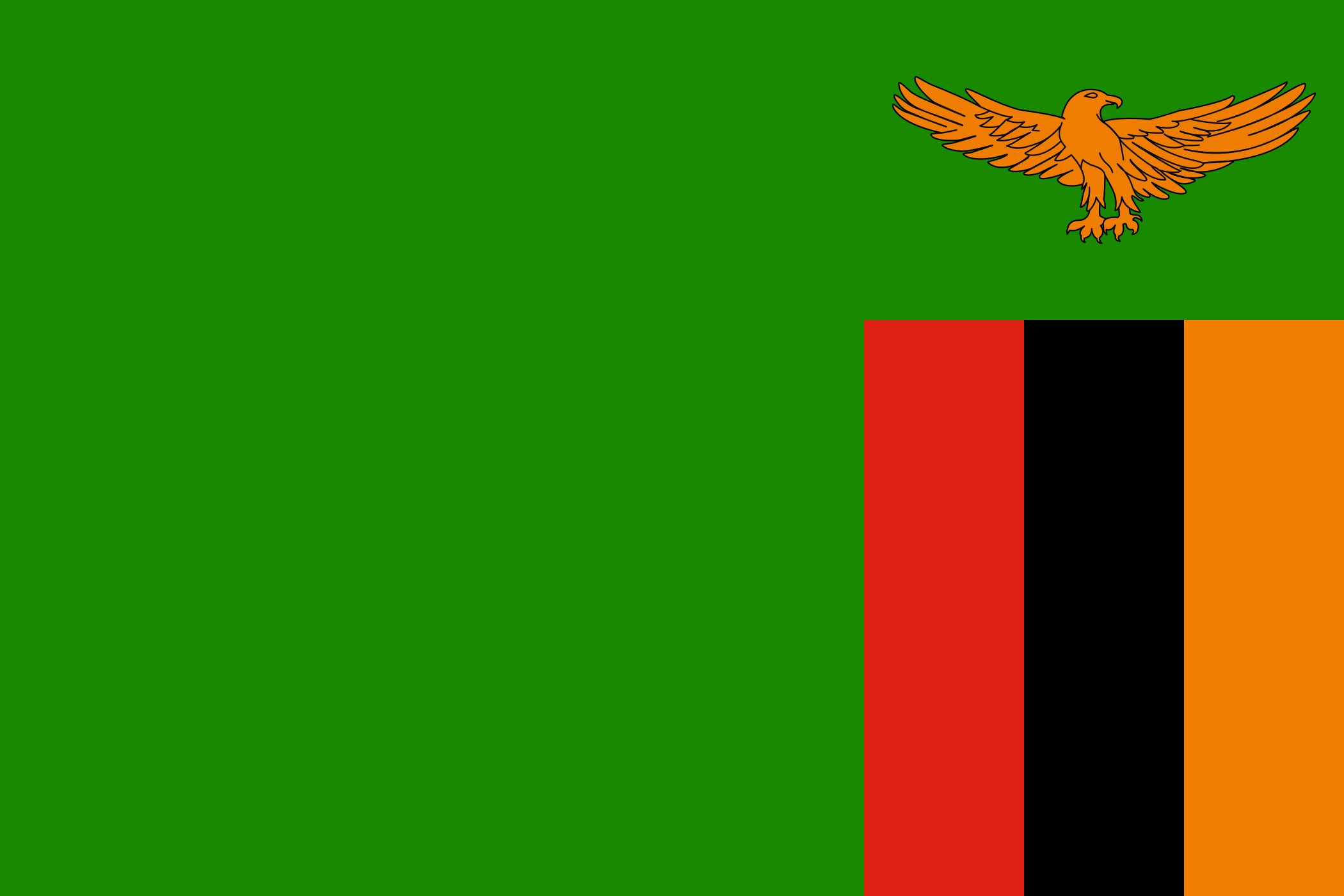
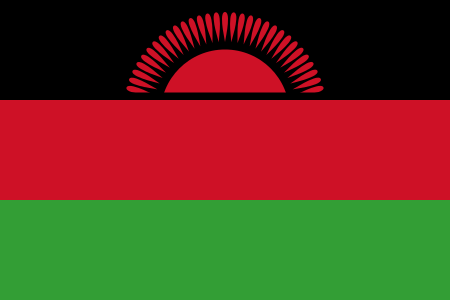
- The kwacha: both Zambia and Malawi call their money the kwacha. Zambia's symbol is ZK and Malawi's is MK. A kwacha question never offers both countries.
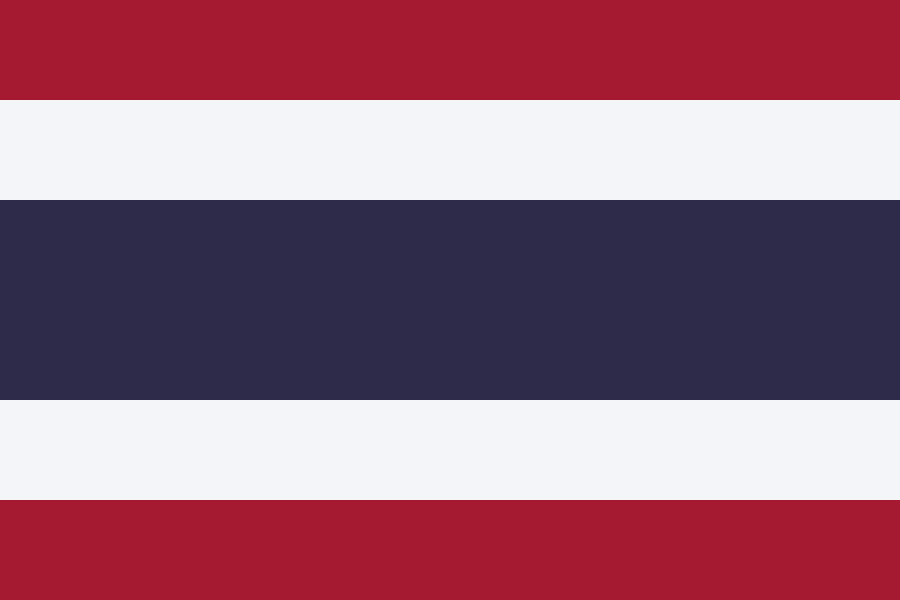
- The baht: Thailand's currency, with the symbol ฿.
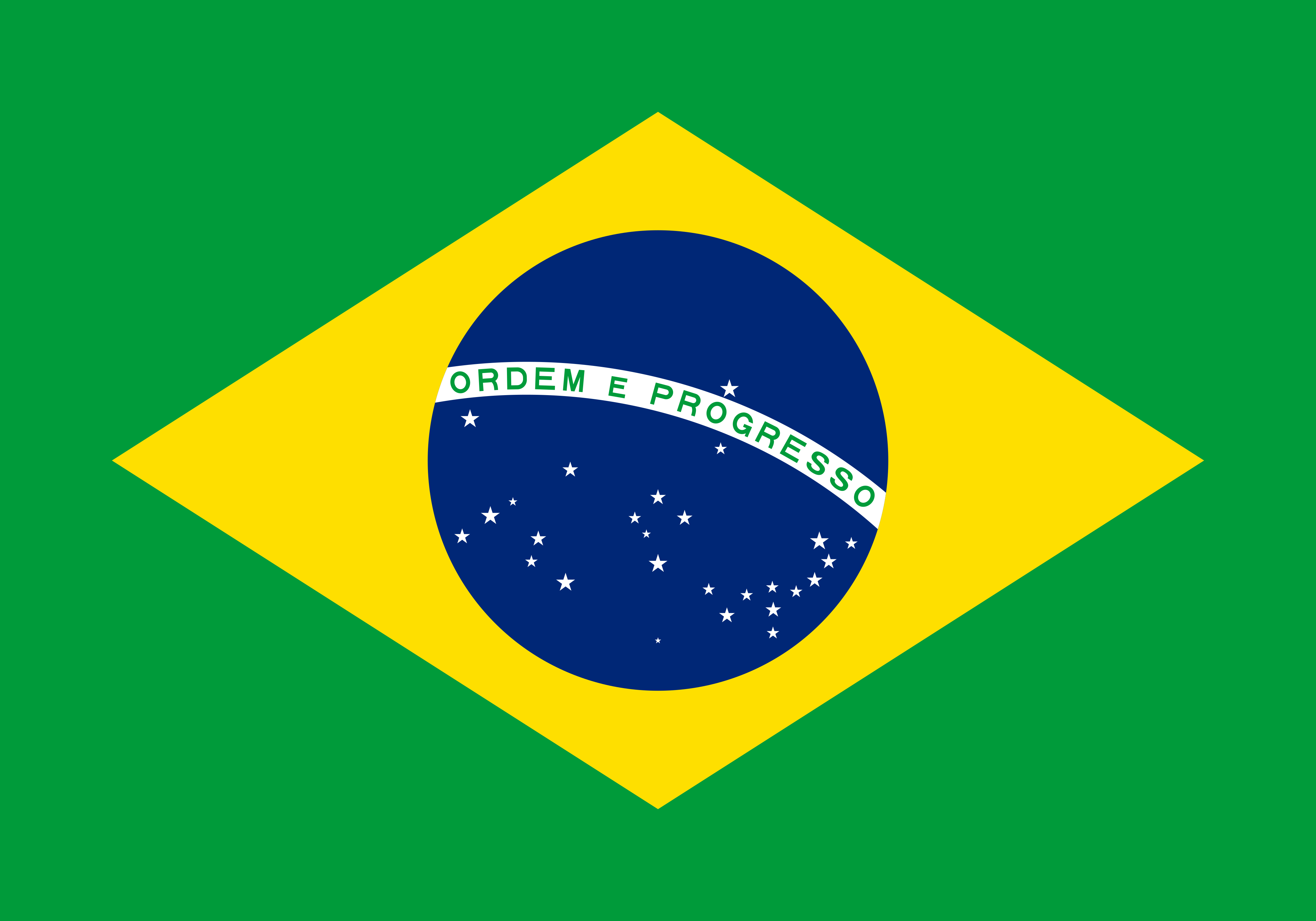
- The real: Brazil's currency, written R$.
- The paʻanga: Tonga's currency, written T$.
Practise
Try the Currencies quiz on Explorer to learn the names, then switch to Expert and see if you can tell your dollars apart.