
Genie's Riddle tips: reading the clues and knowing when to guess
AM Ismail - AtlasGenie Team · Published
Genie's Riddle rewards one thing above all: knowing when you know. The genie gives five clues, hardest first, and a right guess is worth 1,000 points on clue 1, then 800, 600, 400 and 200. A wrong guess doesn't end the round, but it unlocks the next clue and lowers what's left. Here's how to read each clue and when to commit.
Clue 1: where it is
The first clue names a part of the world, such as South America or Western Africa, and says whether the country has a coastline or is landlocked.
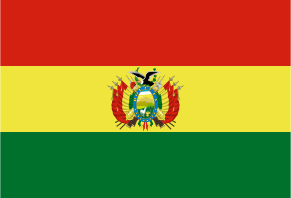
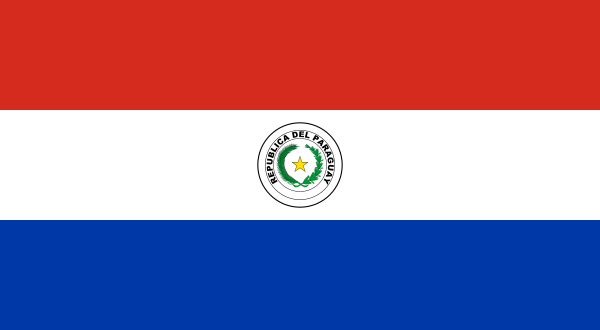
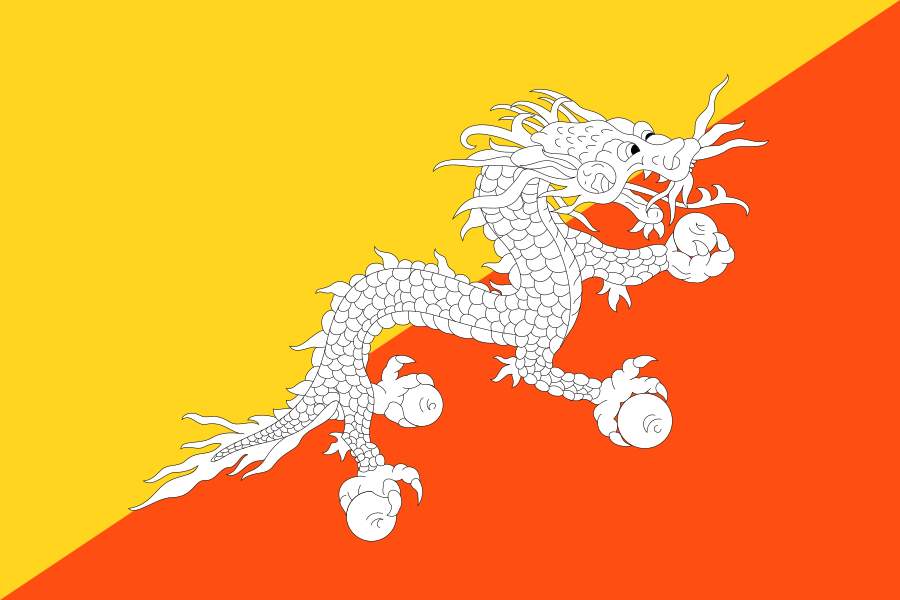
On its own, the area is rarely enough. The coastline is the useful half. "Landlocked" removes most options in many parts of the world. South America has just two landlocked countries, Bolivia and Paraguay. In Southern Asia, Nepal, Bhutan and Afghanistan are landlocked. In Southern Africa, Lesotho and Eswatini are both landlocked and surrounded by, or almost surrounded by, South Africa.
On Explorer the four options usually come from different parts of the region, so clue 1 can settle it straight away. On Expert all four share the same area, so clue 1 only helps if the coastline splits them.
When to guess: only if exactly one option fits both the area and the coastline. That's 1,000 points, and it happens more often on Explorer than you'd think.
Clue 2: the money
The second clue names the currency's own word, without the country: the sol, the kwanza, the baht. If more than three countries use it, the genie says it's shared with other countries instead.
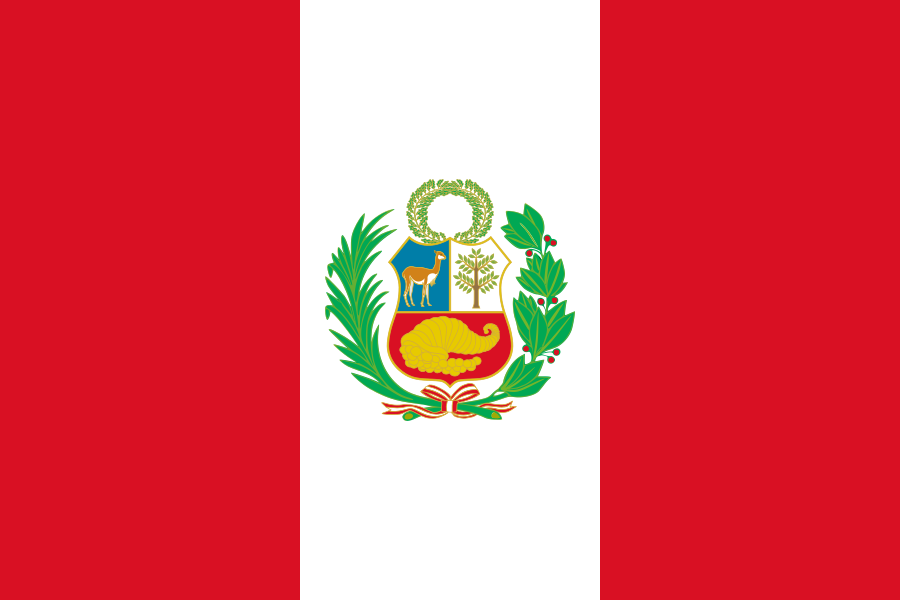
A unique currency name is the biggest jump in the game. If you know the sol is Peru's or the tögrög is Mongolia's, you can answer for 800 points. The clue only gives the word, so watch out for names that more than one country uses. Zambia and Malawi both call their money the kwacha, and many countries call theirs a dollar, a franc or a dinar.
A shared currency tells you something too. In Europe it's almost always the euro. In West and Central Africa it's usually one of the CFA francs. In the eastern Caribbean it's the Eastern Caribbean dollar.
When to guess: when the currency's name belongs to only one of the four options. Our Currencies quiz is good practice for this clue.
Clue 3: the neighbours
Clue 3 names one or two countries the answer shares a land border with, or says it has no land borders.
Two named neighbours almost always leave a single possibility. A country that borders both Brazil and Chile, for example, can only be Bolivia, Argentina or Peru, and the first two clues have usually ruled out the rest. "No land borders" points to an island nation, which is often decisive in a region full of land neighbours.
If the genie names only one neighbour, it may be because the country has only one, as with Portugal, Lesotho or the Dominican Republic. That's a strong hint in itself.
When to guess: nearly always. 600 points for a near-certain answer beats risking it for the last two clues.
Clue 4: the language
The fourth clue names one official language, and the genie picks the one that is official in the fewest countries. So instead of English or French, you're more likely to see Amharic, Dzongkha or Sesotho.
That makes clue 4 very specific. If you see Dzongkha, it's Bhutan. If you see Guaraní, it's Paraguay. Even a widely spoken language is useful here: if the genie had a rarer one to choose, it would have, so a common language like Spanish tells you the country has no less widespread official language.
When to guess: if you still don't know by now, this clue usually settles it, and 400 points is still a solid round.
Clue 5: the flag
The last clue is the flag. It's worth 200 points, and a wrong guess on it ends the round with nothing. If you've reached clue 5 unsure, take your time: the 60-second timer gives you room to study it. Our Flag quiz is the best practice for this clue.
Spending clues wisely
The maths is simple. Every clue you use costs 200 points, and a wrong guess costs a clue as well. A random guess on clue 1, with four options, wins 1,000 points a quarter of the time but more often just moves you to clue 2 with 800 left. That's no worse than pressing Next clue, so if you have a real hunch between two options, it's worth backing it early.
What you shouldn't do is guess wildly on clue 4 or 5. By then a miss is expensive, and on clue 5 it ends the round.
A good rhythm for most players is to guess on clue 1 only when you're sure, lean towards guessing on clue 2 when the currency fits one option, and use clue 3 as your usual deadline. Players who learn currencies and borders well regularly finish rounds in the 600 to 1,000 range.