Our languages quiz tests what you know about the official languages of the world's countries. Over 10 timed rounds you match countries to their official languages, or a language to the country that speaks it. Pick World or one region and choose Explorer for random options or Expert for shared languages and close neighbours. Each answer opens a fact card with the country's flag, capital and full list of official languages, so every game teaches you something. Your best score for each region and difficulty is saved, and the quiz is free to play.
Every game has 10 rounds with two kinds of question, shuffled together. Some rounds name a language and ask which of four countries has it as an official language. Others name a country and ask which of four languages is official there. No country comes up twice in one game, and you'll never get the same kind of question more than twice in a row.
The quiz uses official and national languages, the ones a country recognises in law or in its constitution, not simply the languages most people speak. Dialects count as their parent language, so Swiss German counts as German. Each question has exactly one right answer: if the question is about Spanish, none of the wrong countries has Spanish as an official language.
Each question has a 15-second timer. Answer with a tap, a click or the keys 1 to 4. After every answer a fact card lists all of the country's official languages, with its flag, outline, capital and region, and the clock waits while you read.
A right answer earns 500 points, plus up to 500 more for speed: answer within one second for the full bonus, which falls steadily to zero at 15 seconds. A wrong answer or a timeout scores nothing, and ten rounds make a perfect game of 10,000.
Your answer streak counts right answers in a row and resets on a miss. Your best score for each region and difficulty is kept in this browser.
On Explorer, the wrong answers come from random countries in your region, so the choices are often easy to tell apart once you know a few facts.
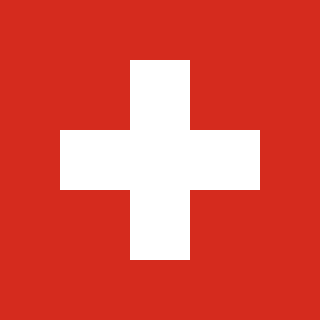
On Expert, the wrong answers come from next door: the languages of neighbouring countries and of countries in the same part of the world. Switzerland is a good example of why this is hard. It has four official languages, German, French, Italian and Romansh, because the country grew from regions that already spoke them and chose to keep all four. On Expert, a question about Switzerland might offer Dutch, Spanish or Slovenian, all spoken close by but none official there. Or it might ask which country has Romansh, with Austria and Italy among the options.
Think about history. Former colonies often keep the colonial language alongside their own: French in much of West and Central Africa, Portuguese in Angola and Mozambique, English across large parts of Africa, Asia and the Pacific. Many countries also add a local language, such as Swahili, Malagasy or Samoan.
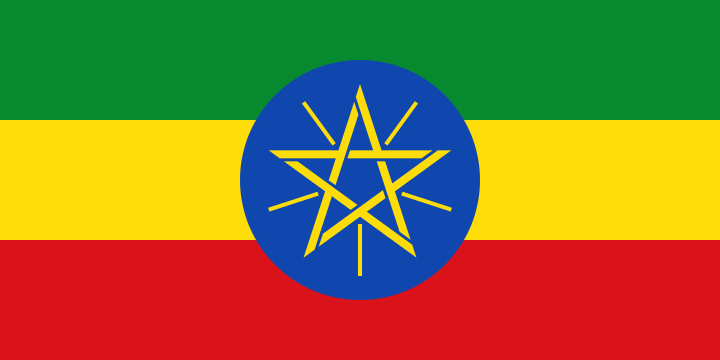
Learn the countries with more than one official language, because they come up often: Belgium, Canada, India, Singapore, South Africa and Bolivia. And watch for languages that sound like a different place, such as Amharic in Ethiopia or Tetum in Timor-Leste. The fact card after each answer lists every official language, so a quick read helps more than you might expect.
- Why does Switzerland have four official languages?
- It formed from regions that already spoke German, French, Italian and Romansh, and it chose to recognise all four.
- Do dialects count as separate languages?
- No. Dialects count as their parent language, so Swiss German counts as German.
- Are sign languages included?
- Not in this quiz. It uses spoken official and national languages, though many countries also recognise a sign language.
- Why isn't English listed for some countries where it's widely spoken?
- The quiz only counts languages that are official or national by law. A language can be common without being official.
- Can a question have two right answers?
- No. Every question is checked so that only one option is correct before you see it.